
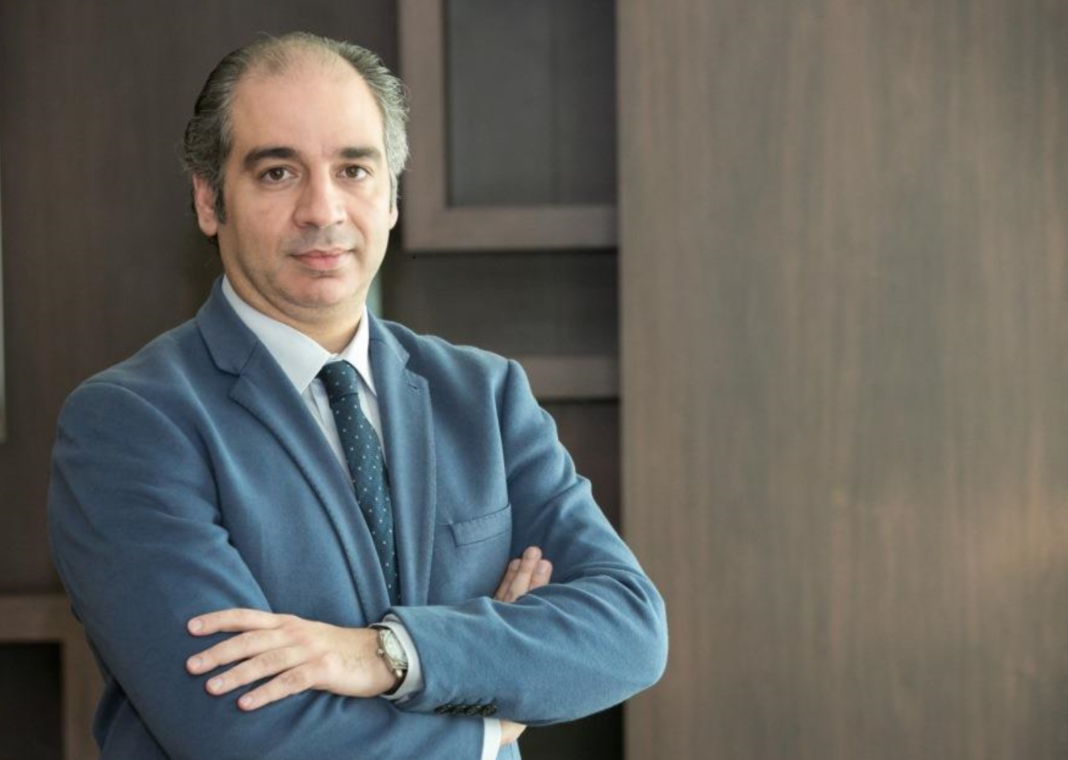

In a conversation that bridges art, culture, education, and human connection, Sara Naveed had the opportunity to interview Dr. Waseem Kotoub, country director of the British Council in Qatar. A medical doctor, concert pianist, and composer, Dr. Kotoub leads the Council’s national strategy, overseeing education, English, and cultural partnerships across the country. With over 13 years at the British Council and extensive experience in arts, culture, and large-scale programme delivery, he has played a pivotal role in shaping Qatar’s creative ecosystem.
QH: This year marks the 10th edition of the Qatar–UK Festival. What does this milestone represent for the British Council and for Qatar’s growing creative industries?
Kotoub: The 10th edition reflects how far Qatar’s creative landscape has come and how UK collaboration has shaped it. The Festival has evolved from a cultural exchange into a platform for innovation, dialogue, and opportunity. For the British Council, it’s a proud moment to see partnerships inspire new talent, support creative industries, and contribute to a thriving ecosystem that connects people, ideas, and cultures.
QH: How has the Festival evolved over the decade, and what lasting impact has it created in Qatar’s cultural and creative landscape?
Kotoub: What began as a one-year celebration has grown into a decade-long relationship built on trust and creativity. The Festival now spans new creative sectors and reaches wider audiences. Many artists and cultural leaders from earlier editions now shape Qatar’s creative economy. The Festival has inspired partnerships, nurtured emerging talent, and opened doors for long-term collaboration in design, sustainability, and innovation.
QH: The 2025 edition focuses on Creative Industries. How does this align with Qatar National Vision 2030 and the UK’s global creative economy strategy?
Kotoub: Creative Industries: Growth / Reimagined reflects both Qatar’s and the UK’s priorities. Qatar National Vision 2030 emphasizes innovation, education, and cultural investment, while the UK views the creative economy as a global strength. Through our programmes, we support entrepreneurship, capacity-building, and collaboration, helping build a sustainable ecosystem in Qatar that encourages youth participation and long-term cultural growth.
QH: What are some key achievements or moments from past editions that capture the spirit of this collaboration?
Kotoub: Each Festival theme reflects Qatar’s evolving cultural landscape—from “Sustainability and Communities” in 2023 to “Community and Collaboration” in 2024. This year’s focus continues that journey. Our creative economy programmes support entrepreneurship and collaboration, sharing UK expertise to build a sustainable creative ecosystem in Qatar that drives economic diversification and youth engagement.
QH: Beyond the Festival, how does the British Council support arts, culture, and creative exchange in Qatar throughout the year?
Kotoub: Our work goes far beyond a single festival. We support Qatar’s cultural and creative industries year-round through capacity building, training, and global exchange. Artists, cultural leaders, and entrepreneurs gain tools to turn ideas into impact through online learning, mentorship, and workshops. This ensures creativity remains central to innovation, economic diversification, and opportunities for young people.
QH: What message would you like to share with young creatives in Qatar?
Kotoub: Qatar’s creative community is one of the most exciting in the region, and this is your moment. Keep creating, stay curious, and collaborate. Every contribution shapes Qatar’s identity as a global hub for culture and innovation. The British Council supports your journey, connecting you with skills, partners, and opportunities to grow and make a lasting impact.