


Ramadan in Qatar is more than a religious observance; it is a season that reshapes daily life, deepens social bonds and brings a collective sense of calm and purpose to the country. As the ninth and most sacred month of the Islamic lunar calendar, Ramadan is marked by fasting from sunrise to sunset, but its true essence lies in reflection, generosity and togetherness.
A month guided by the moon
The beginning and end of Ramadan are determined by the sighting of the crescent moon, announced locally by Qatar’s Moon Sighting Committee under the Ministry of Endowments and Islamic Affairs (Awqaf). As the Islamic calendar follows lunar cycles, the month shifts by around ten days each year, lasting either 29 or 30 days. The sighting of the new moon also signals the joyous arrival of Eid Al Fitr, marking the close of the holy month.
Preparing for Ramadan
In Qatar, the spirit of Ramadan is felt well before the first day of fasting. Streets, malls and homes are adorned with lanterns, crescent moons and warm lights, creating an atmosphere of quiet celebration. Two weeks before Ramadan begins, many Qatari families observe Al Naflah, which takes place on the 14th day of Sha’ban. On this day, households prepare traditional foods and distribute them to neighbours and those in need, reinforcing the values of sharing and community care.
Fasting as a shared experience
Fasting begins at dawn after suhoor, the pre-dawn meal intended to sustain individuals through the day. At sunset, iftar marks the breaking of the fast—a moment anticipated across the country. In Qatar, this moment is traditionally announced by the firing of the Ramadan cannon, a practice that continues today and is broadcast live on Qatar Television. Those wishing to witness it in person can do so at locations such as Souq Waqif, Katara, Souq Al Wakra and the Imam Muhammad Ibn Abdul Wahhab Grand Mosque.
Iftar, Ghabga and the social evenings
While fasting defines the daylight hours, Ramadan truly comes alive after sunset. Iftar is often followed by ghabga, a later evening meal that brings families and friends together. Qatari tables during Ramadan feature dishes passed down through generations, many prepared specifically for the holy month.
Staples commonly found include:
- Harees, a comforting dish of pounded meat and wheat, flavoured simply with olive oil and cinnamon.
- Al Thareed, made from crispy flatbread layered with broth and lamb, chicken or vegetables.
- Al Luqaima, sweet fried dough drizzled with sugar syrup, often scented with rose or orange blossom water.
After iftar, the rhythm of the city shifts. Shops reopen, cultural spaces come alive and social gatherings extend late into the night, reflecting Ramadan’s unique nocturnal energy.
Mosques, prayer and reflection
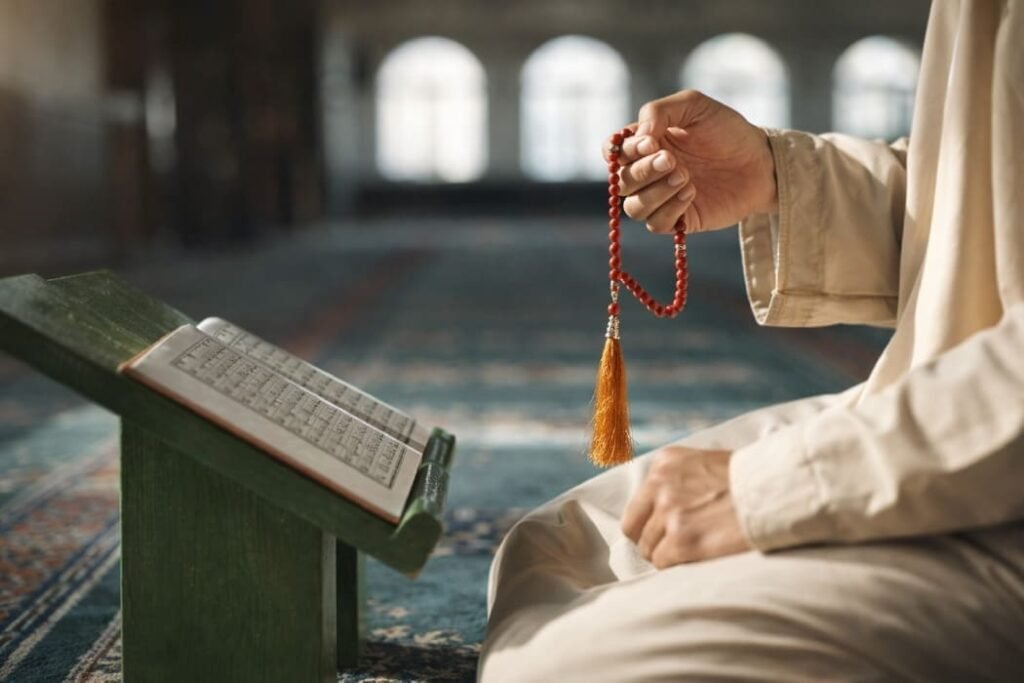
Mosques play a central role throughout Ramadan. In addition to daily prayers, Taraweeh prayers are held after Isha each night, with the goal of completing the recitation of the entire Qur’an by the end of the month. These prayers draw worshippers together, reinforcing a sense of unity and shared spiritual purpose.
Majlis culture and community
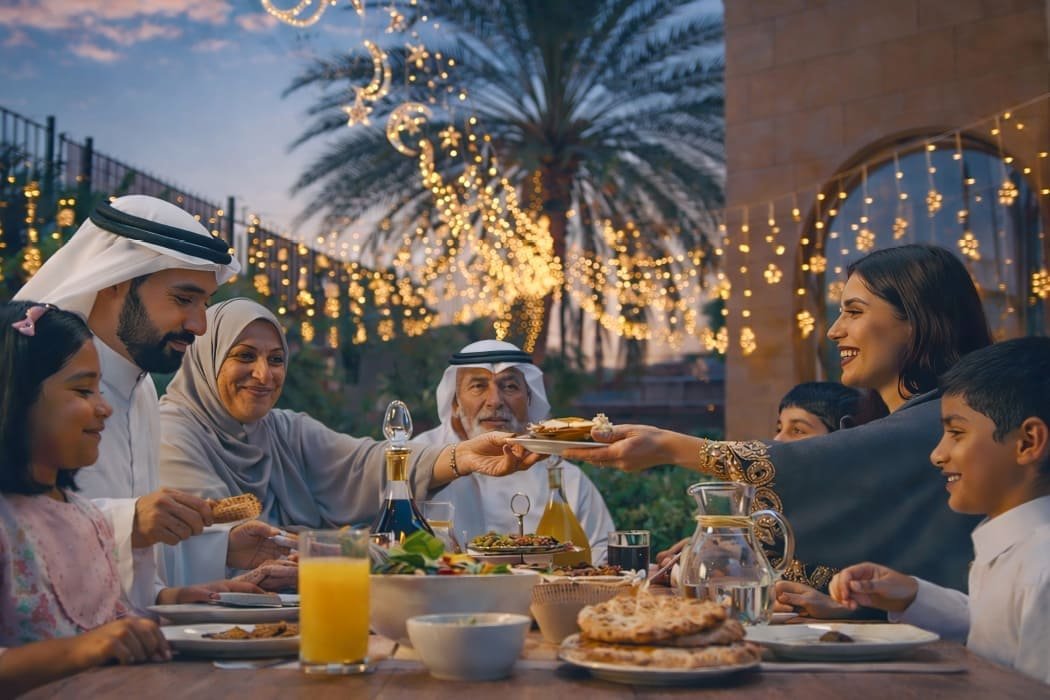
The majlis remains an important space during Ramadan, serving as a place for conversation, hospitality and reflection. Families host guests, exchange meals and welcome neighbours, embodying the month’s emphasis on generosity and connection. Communal iftars, whether organised by families, mosques or charitable groups, further strengthen social ties, ensuring that no one breaks their fast alone.
Charity at the heart of Ramadan
Charitable giving is a cornerstone of Ramadan in Qatar. Acts of zakat and sadaqah are prioritised, with individuals and organisations supporting food drives, iftar tents and community initiatives. The month serves as a reminder of social responsibility and compassion, values deeply embedded in Qatari culture.
Garangao: Celebrating the youngest
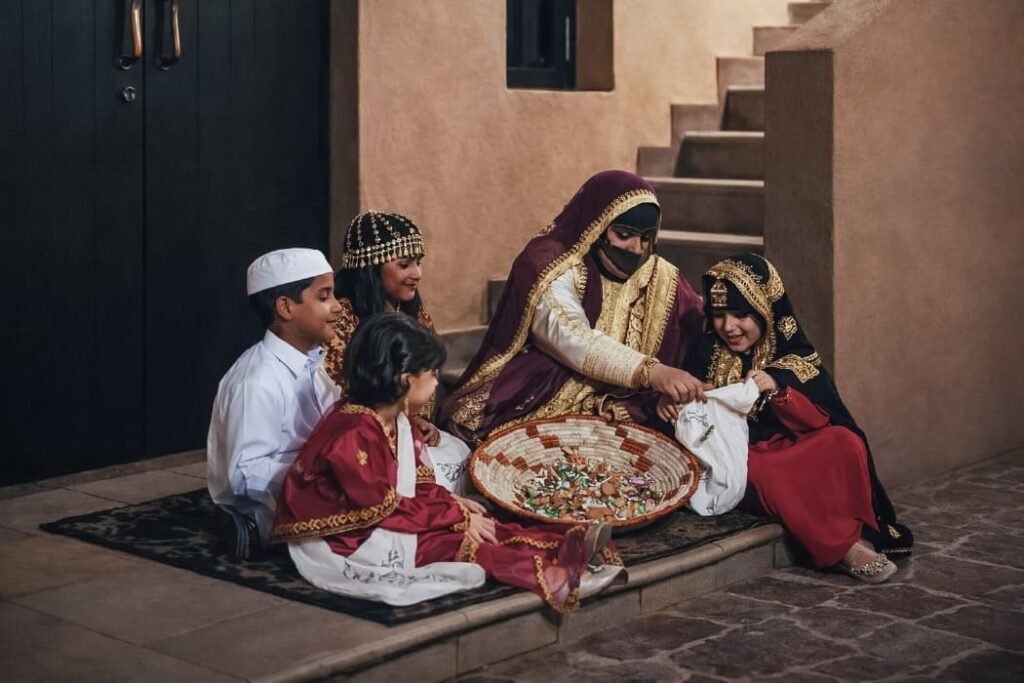
Midway through Ramadan, Qatar comes alive with Garangao, a cherished Gulf tradition celebrated on the 14th night of the month. Children dress in traditional attire and go door-to-door singing the Gara, receiving bags filled with nuts, sweets and treats. Originally intended to encourage children attempting to fast, Garangao today remains a joyful celebration of heritage, family and community spirit.
A month that brings people together
Ramadan in Qatar is a time when faith, culture and daily life intertwine seamlessly. From the quiet moments of fasting to lively nights of prayer and gathering, the holy month fosters reflection, generosity and a deep sense of belonging—values that resonate long after the crescent moon gives way to Eid.