

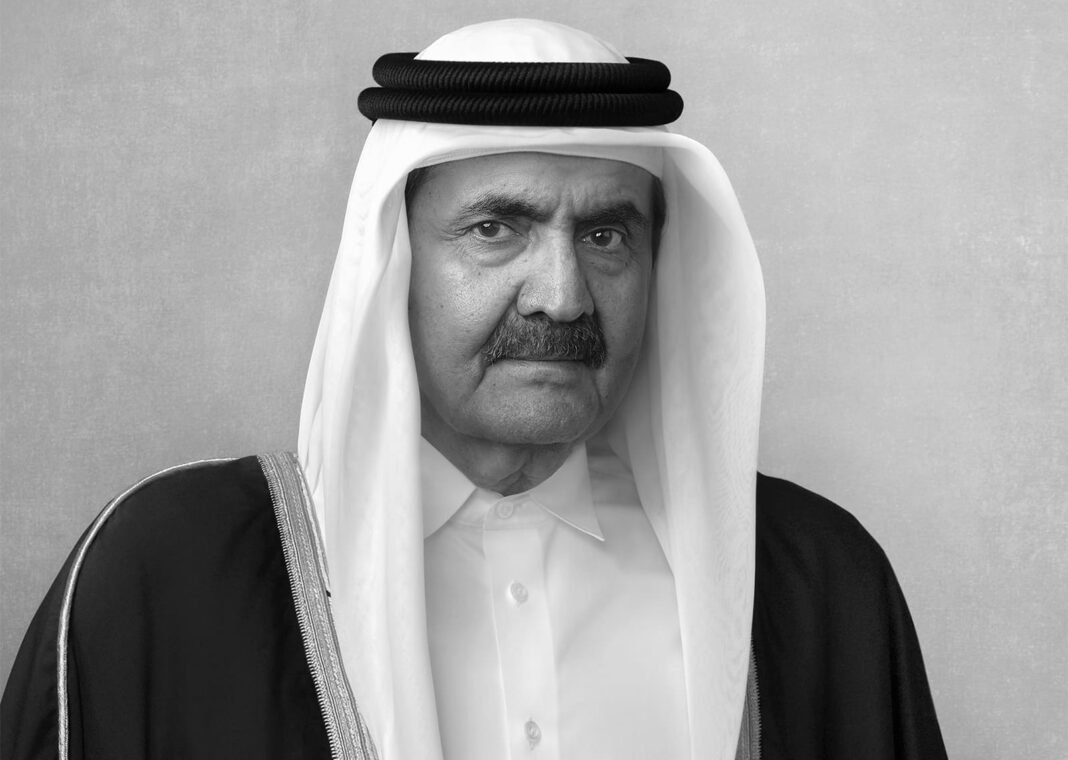

How His Highness The Father Amir Sheikh Hamad bin Khalifa Al Thani transformed Qatar, and how his vision continues to shape its future
The leader who reimagined Qatar
In June 1995, when His Highness Sheikh Hamad bin Khalifa Al Thani assumed leadership of the State of Qatar, the nation stood at a pivotal moment in its history. Rich in natural gas but still emerging on the world stage, Qatar possessed extraordinary potential waiting to be realised.
Over the next eighteen years, that potential would be transformed into one of the most remarkable national success stories of the modern era. His vision reached far beyond economic prosperity. It was built on the conviction that Qatar could become a country recognised not only for its natural resources, but for its ideas, its institutions and its people.
The rapid expansion of the liquefied natural gas industry provided the means to pursue that ambition, but the country’s greatest investments were never confined to energy alone. Revenue from Qatar’s natural resources was channelled into education, healthcare, infrastructure, culture and global partnerships, laying the foundations of a nation designed with future generations in mind.
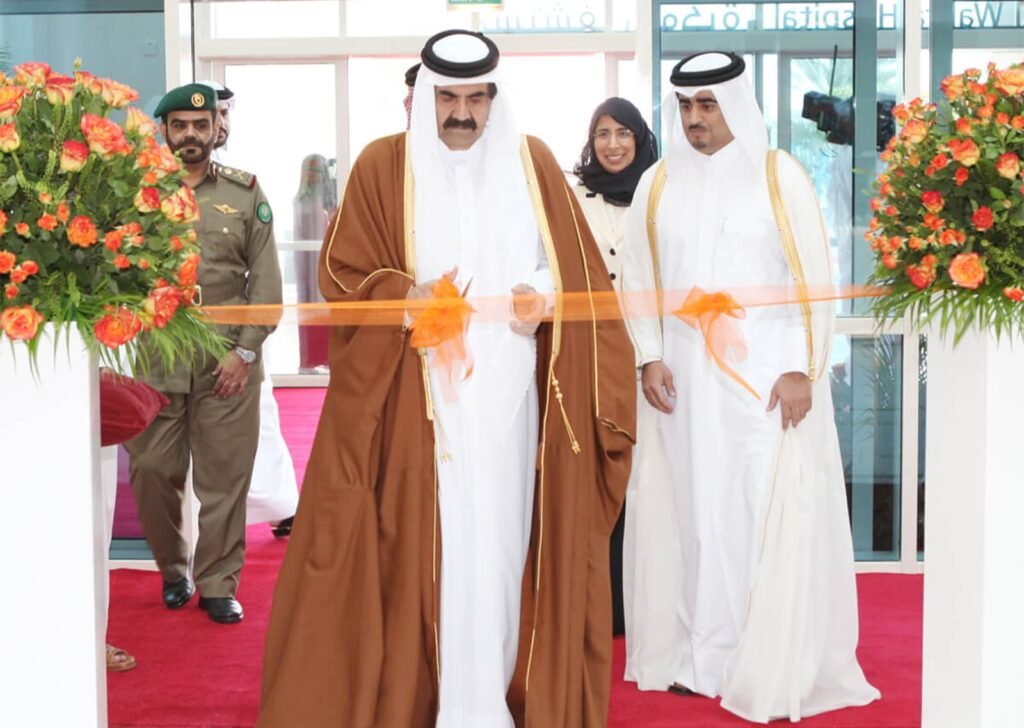
The transformation was visible across the country. Hamad Medical Corporation grew into one of the region’s leading healthcare systems. The development of Hamad International Airport connected Qatar to the world and established Doha as a major global aviation hub. New roads, neighbourhoods and public institutions reshaped the capital, while the successful hosting of the 2006 Asian Games announced Qatar’s arrival as a serious player on the international sporting stage. Those investments would eventually pave the way for the FIFA World Cup Qatar 2022, cementing sport as one of the country’s defining strengths.
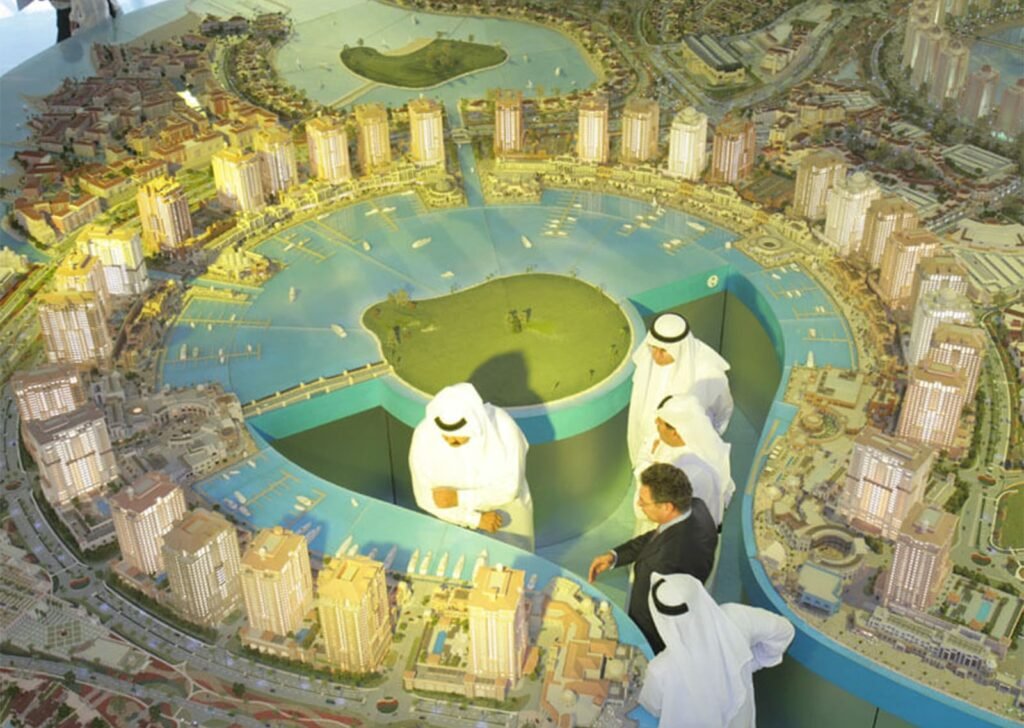
By the early 2010s, Doha’s skyline had become an unmistakable symbol of progress. Yet the city’s striking architecture represented something far deeper than economic success. It reflected a country investing with purpose; not simply in buildings, but in institutions, opportunities and a long-term national vision.
Building energy
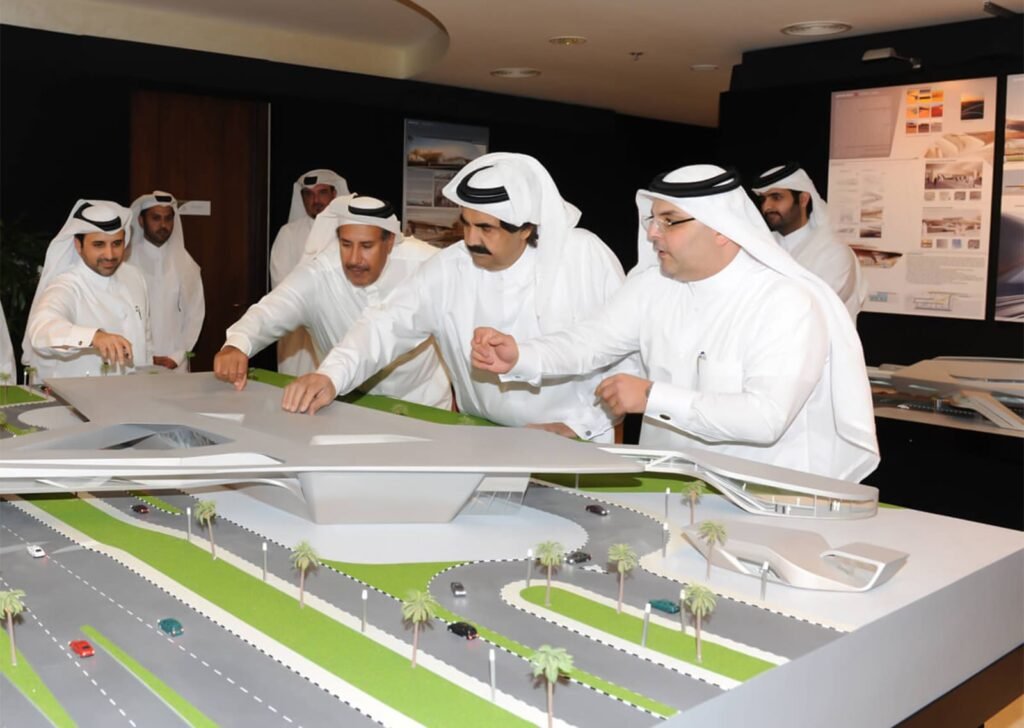
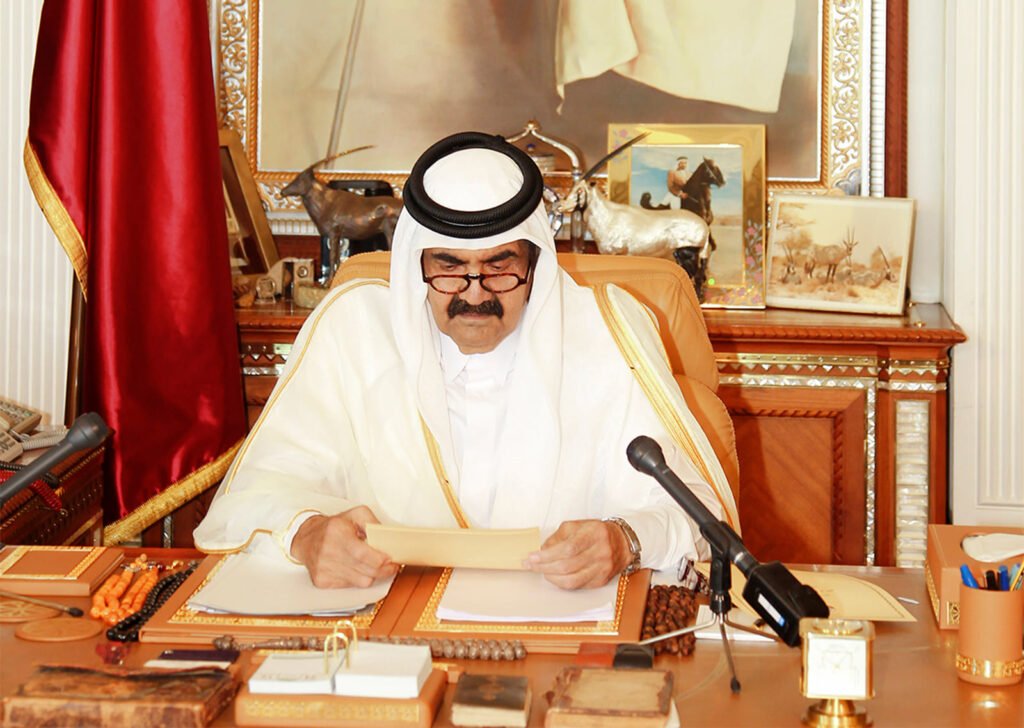
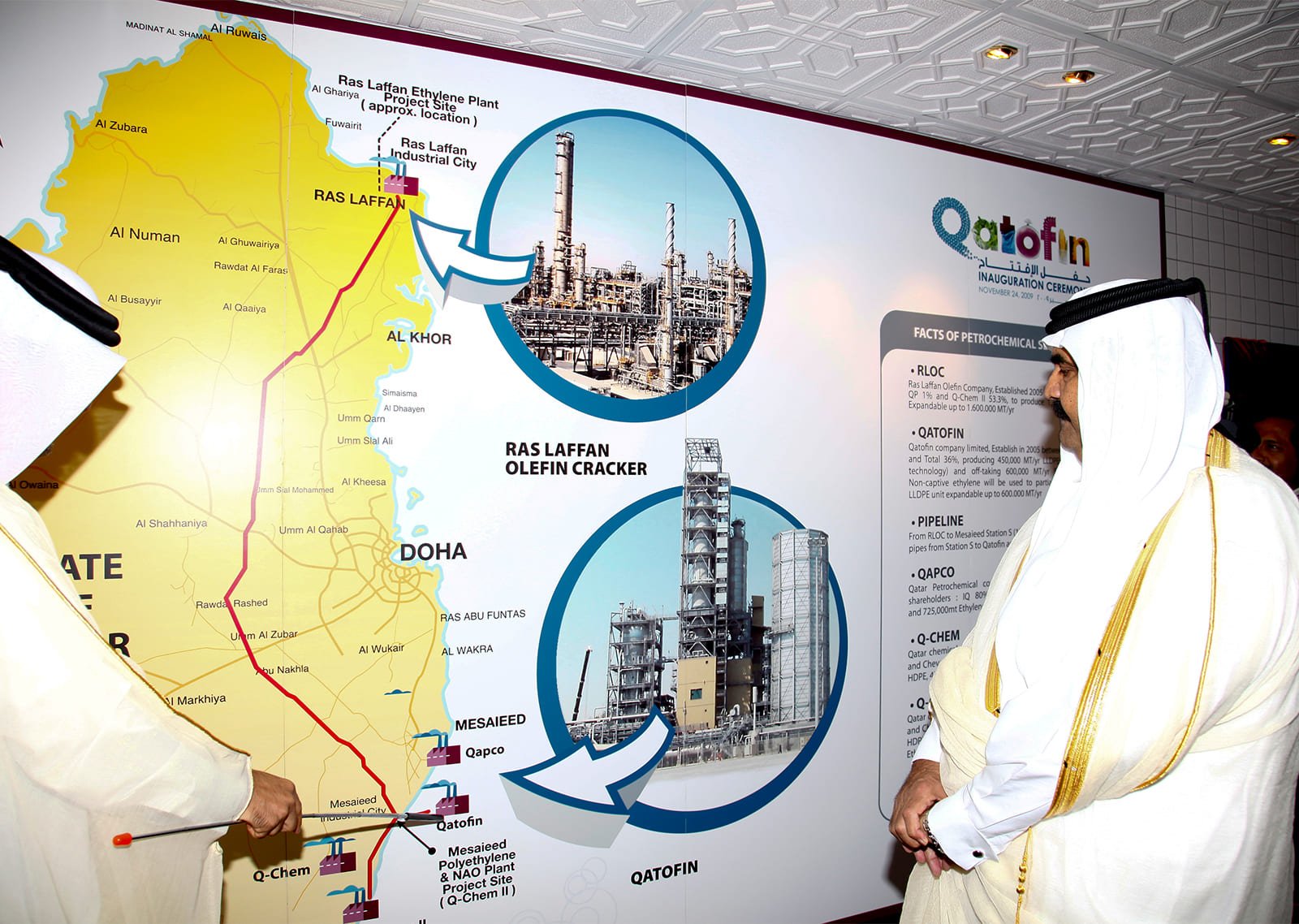
One of Sheikh Hamad’s defining beliefs was that natural resources should be a beginning, not an end. While Qatar became one of the world’s leading LNG exporters, equal attention was given to strengthening public services, expanding transport networks and creating the conditions for sustainable growth long after the country’s energy reserves had delivered their prosperity.
Finding Qatar’s global voice
As Qatar’s economy flourished, so too did its international presence. The launch of Al Jazeera in 1996 introduced a new voice to the Arab media landscape, while the country steadily expanded its diplomatic reach and mediation efforts. Qatar increasingly became known as a place where dialogue, partnership and international cooperation could thrive.
Influence, however, was never measured solely through economics. Education, culture, humanitarian initiatives and sport all became part of Qatar’s growing global identity, demonstrating that a small nation could wield meaningful influence through ideas as much as resources.
Investing in tomorrow
Perhaps the most enduring legacy of Sheikh Hamad’s leadership lies in the country’s investment in people. Working alongside Her Highness Sheikha Moza bint Nasser, he helped establish Education City as a home for some of the world’s leading universities, creating opportunities for students and researchers that were once unimaginable in the region.
Education was never viewed simply as a public service. It became a national strategy. Research, innovation and entrepreneurship were encouraged as Qatar began building the foundations of a knowledge-based economy, an ambition later reflected in Qatar National Vision 2030. The message was simple yet transformative: the country’s greatest resource would always be its people.
A partnership that shaped a nation
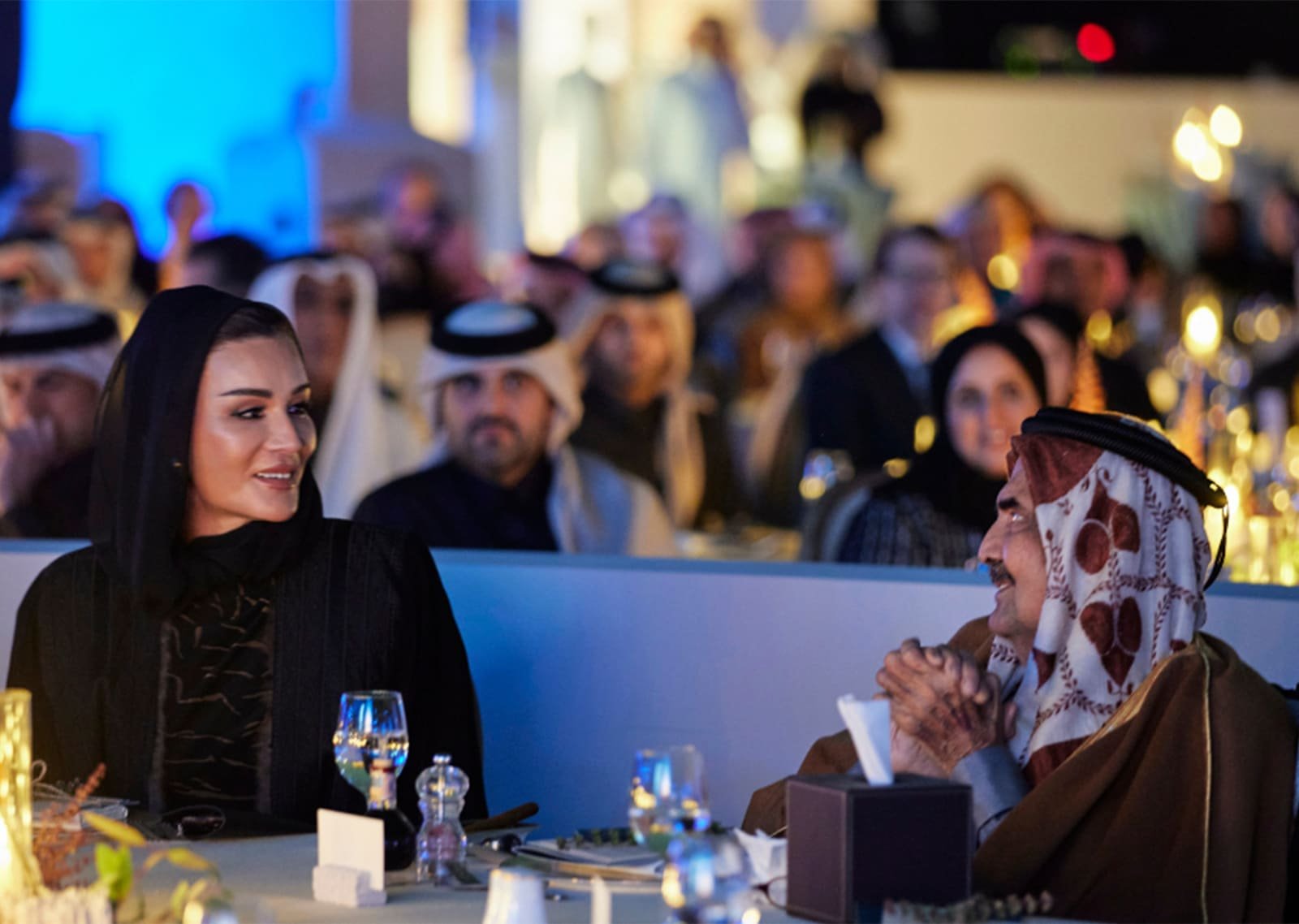
No account of Qatar’s transformation would be complete without recognising the contribution of Her Highness Sheikha Moza bint Nasser. Through Qatar Foundation and decades of work championing education, culture and social development, she helped shape many of the initiatives that continue to define modern Qatar. Together, Their Highnesses championed a model of development where economic progress and human development advanced hand in hand.
A vision that endures
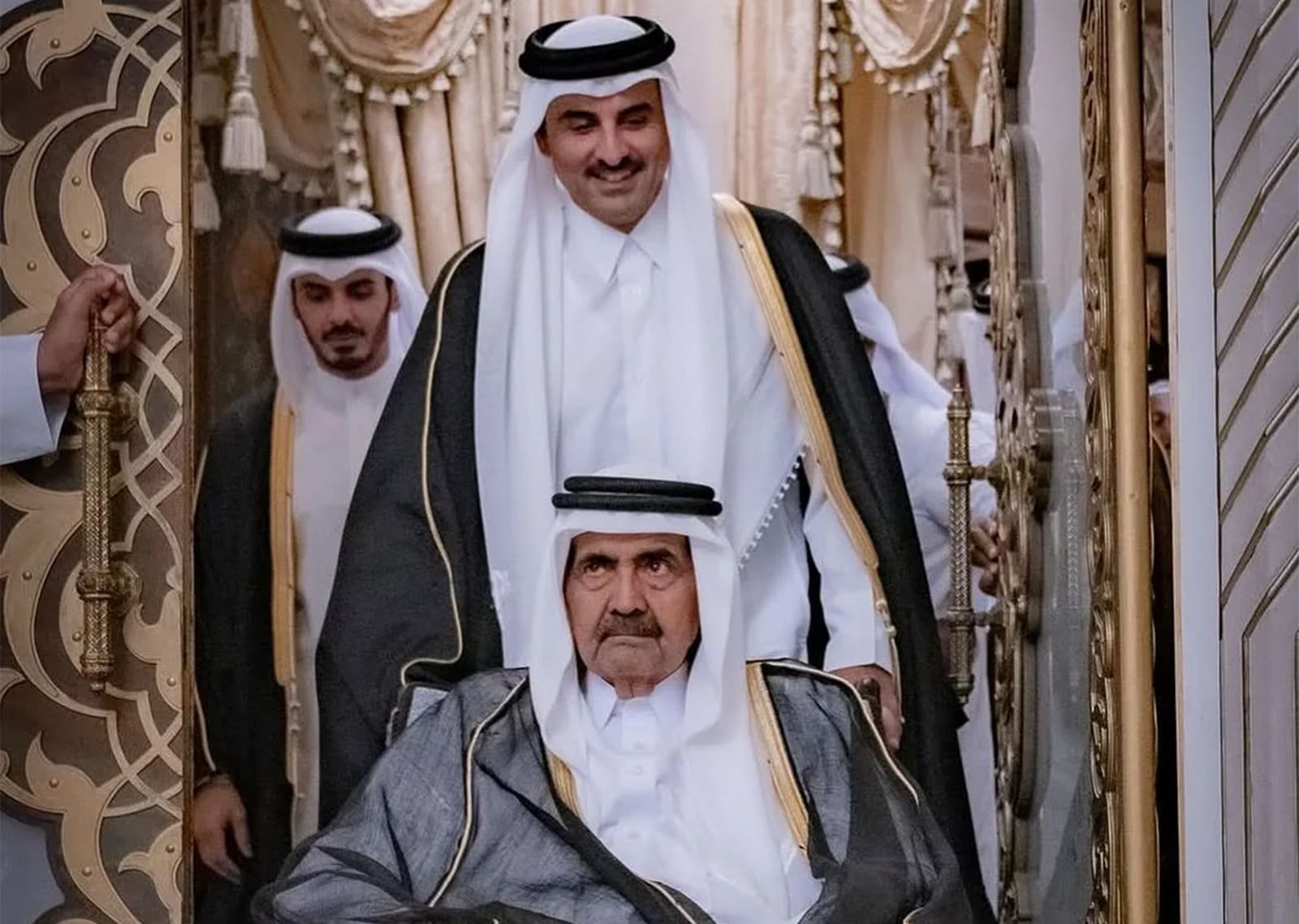
In 2013, Sheikh Hamad made the rare decision to voluntarily transfer leadership to His Highness The Amir Sheikh Tamim bin Hamad Al Thani. Widely regarded as a carefully planned transition, it reflected the same long-term thinking that had guided the country’s transformation for nearly two decades.
The successful hosting of the FIFA World Cup Qatar 2022 offered the world a glimpse of how far Qatar had come. More importantly, it demonstrated the lasting impact of investments made years earlier in infrastructure, education, diplomacy, and sport. Today, as Qatar continues to pursue innovation, sustainability and economic diversification, many of those achievements remain firmly rooted in the foundations laid during Sheikh Hamad’s leadership.
The legacy lives on
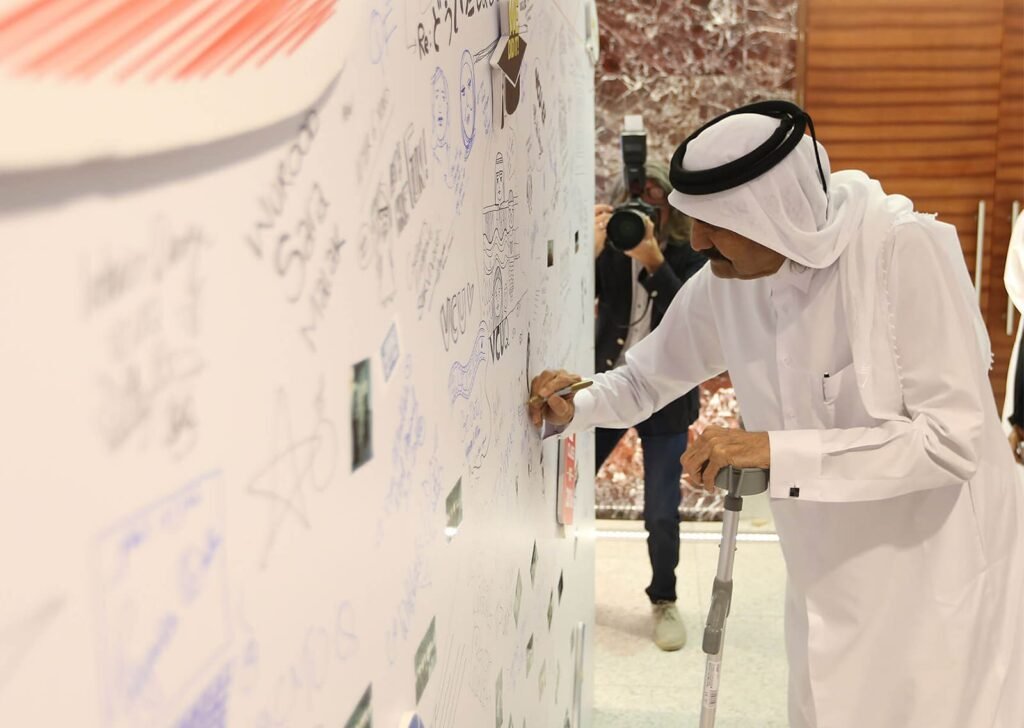
A legacy is rarely measured by skylines or statistics alone. It is found in the confidence of a nation, the strength of its institutions, and the opportunities created for generations to come.
Sheikh Hamad bin Khalifa Al Thani’s greatest achievement was not simply transforming Qatar’s economy; it was reshaping the country’s sense of possibility. His leadership redefined what a small nation could aspire to become, while the enduring contributions of Her Highness Sheikha Moza bint Nasser ensured that education, culture and human development remained at the heart of that transformation.
Today, under the leadership of His Highness The Amir Sheikh Tamim bin Hamad Al Thani, that vision continues to evolve, building on foundations that have helped position Qatar as one of the world’s most dynamic and forward-looking nations.
Early Life and Education
- Born in 1952 in Doha.
- Educated at the Royal Military Academy Sandhurst in the United Kingdom.
- Returned to Qatar and served in military leadership positions before taking on key state responsibilities.
1995 – A New Chapter Begins
- Became Emir of Qatar in June 1995 through a bloodless transfer of power.
- Began a period of reforms focused on economic growth, international engagement and institution-building.
Building an Energy Powerhouse
- Accelerated the development of the North Field, one of the world’s largest natural gas reserves.
- Expanded Qatar’s liquefied natural gas (LNG) industry.
- Qatar became one of the world’s leading LNG exporters during his rule.
- Energy revenues provided the foundation for long-term investments in infrastructure, education, healthcare and sovereign wealth.
Transforming National Infrastructure
- Oversaw the expansion of Hamad Medical Corporation, strengthening Qatar’s healthcare system and establishing it as one of the region’s leading medical institutions.
- Led major investments in transport infrastructure, including the development of Hamad International Airport, which would become one of the world’s leading aviation hubs and a gateway connecting Qatar to the world.
Giving Qatar a Global Voice
- Founded Al Jazeera in 1996, creating one of the Arab world’s most influential media networks.
- Positioned Qatar as an active player in regional diplomacy and international mediation.
- Expanded Qatar’s global relationships with countries across the Middle East, Europe, Asia and the Americas.
Education and Human Development
- Supported the growth of institutions that placed education and research at the centre of national development.
- Worked alongside Her Highness Sheikha Moza bint Nasser in initiatives related to education and human development.
- Helped establish the foundations of Education City, bringing leading international universities to Qatar.
- Laid the foundations for Qatar National Vision 2030, reinforcing education, healthcare, sustainability and human development as pillars of the country’s future.
Building Qatar’s Soft Power
Al Jazeera highlights that Sheikh Hamad recognised early that Qatar’s influence would come not only from natural resources, but also from:
- Education
- Media
- Culture
- Diplomacy
- Sports
- International investment
This strategy became one of the defining aspects of modern Qatar.
Sport on the World Stage
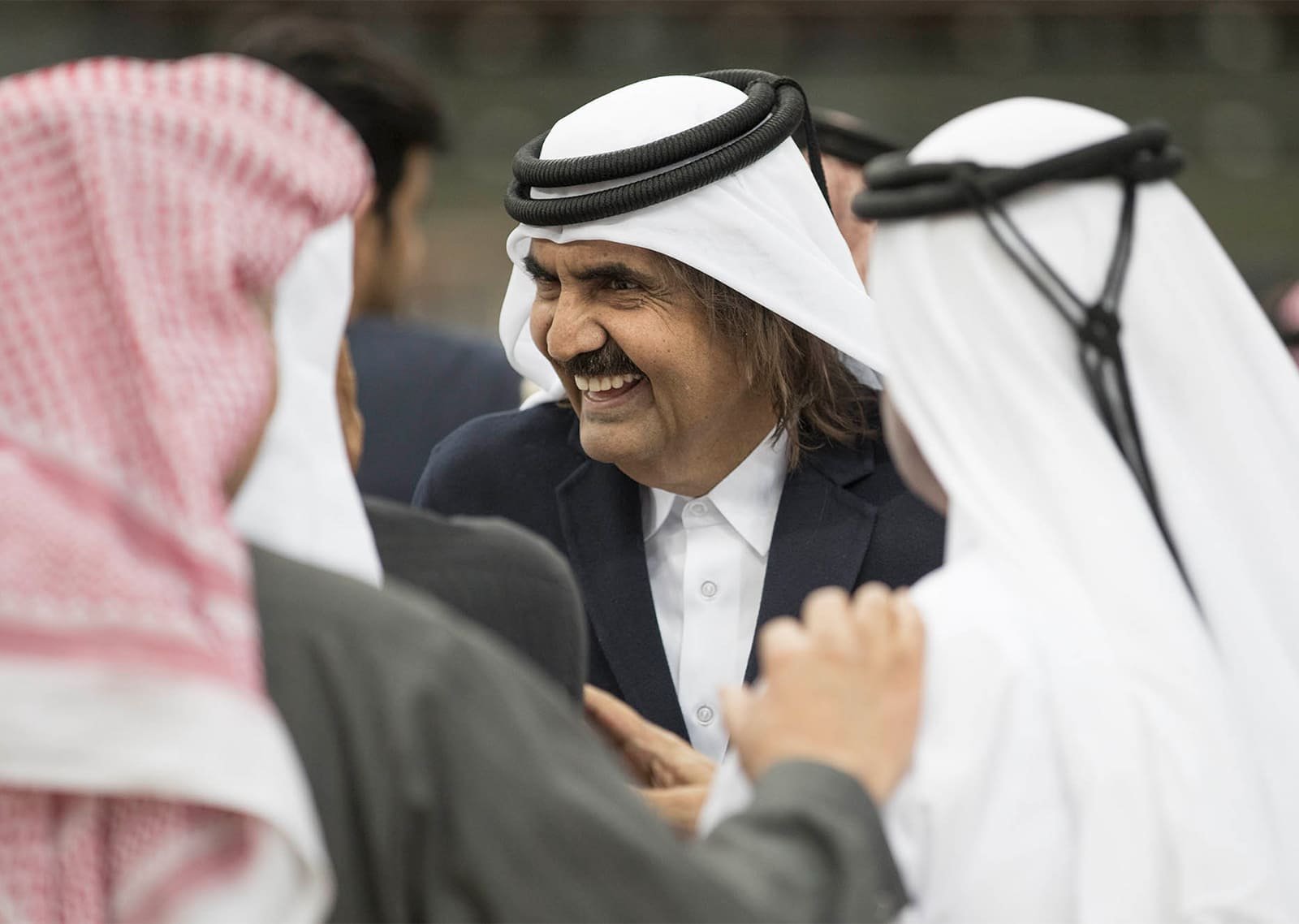
- Hosted the 15th Asian Games in Doha in 2006, the largest sporting event ever held in the region at the time, showcasing Qatar’s organisational capabilities and world-class infrastructure.
- Expanded investment in sport through facilities, international partnerships and global acquisitions, positioning Qatar as a major player in the international sporting landscape.
Major Global Milestones
2003–2004
- Permanent Constitution approved and enacted.
2010
- Qatar won the right to host the FIFA World Cup 2022, a milestone that elevated the country’s global profile.
International Investments
- Qatar expanded investments in global assets and institutions, increasing its international presence.
- Strengthened the Qatar Investment Authority (QIA), helping establish it as one of the world’s leading sovereign wealth funds with strategic investments across Europe, North America and Asia.
A Rare Leadership Transition
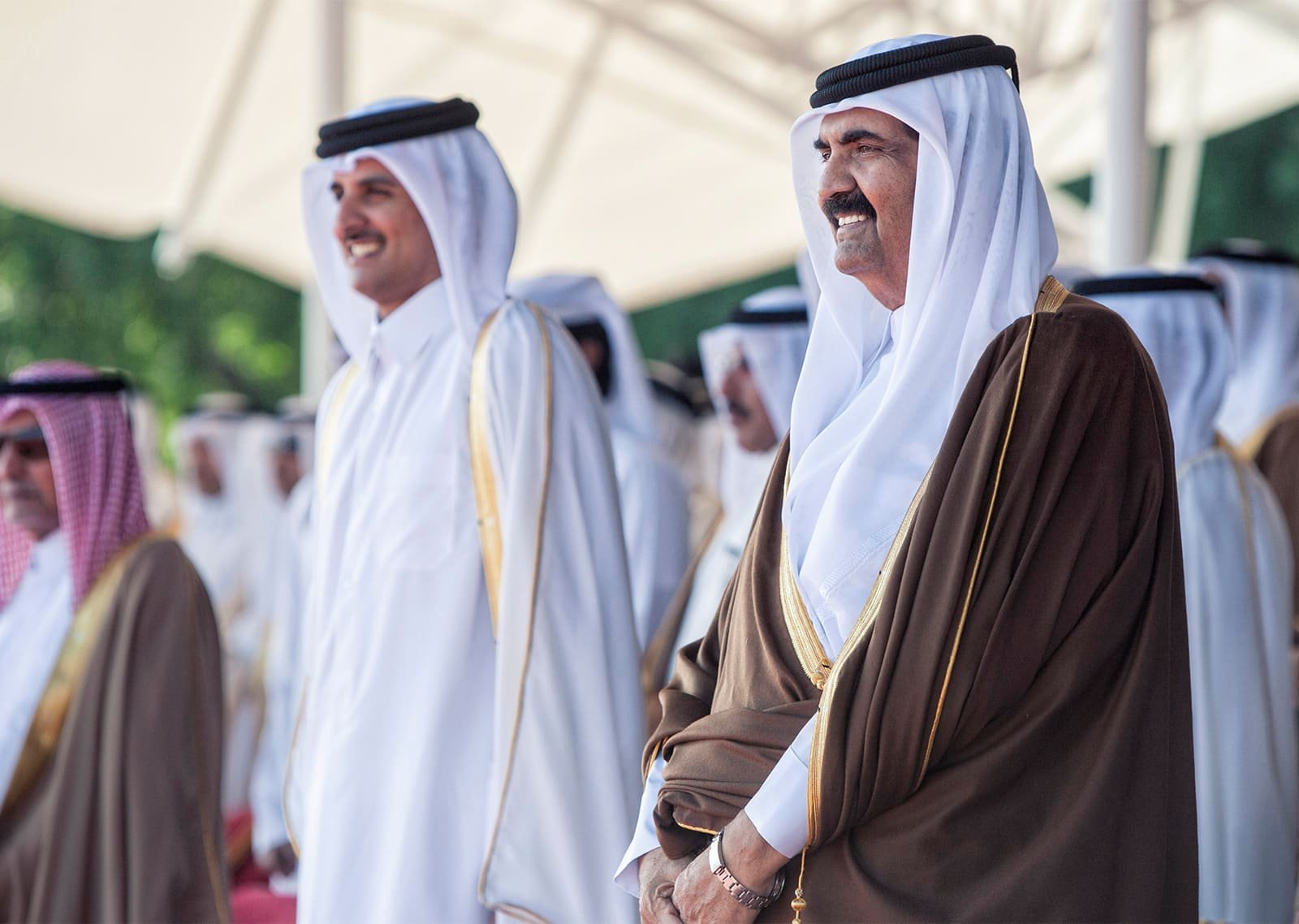
- In 2013, Sheikh Hamad voluntarily transferred leadership to His Highness The Amir Sheikh Tamim bin Hamad Al Thani.
- This peaceful transition was uncommon in the region and was widely seen as a planned continuation of national development.
The Royal Family’s Statements on the Passing of HH The Father Amir
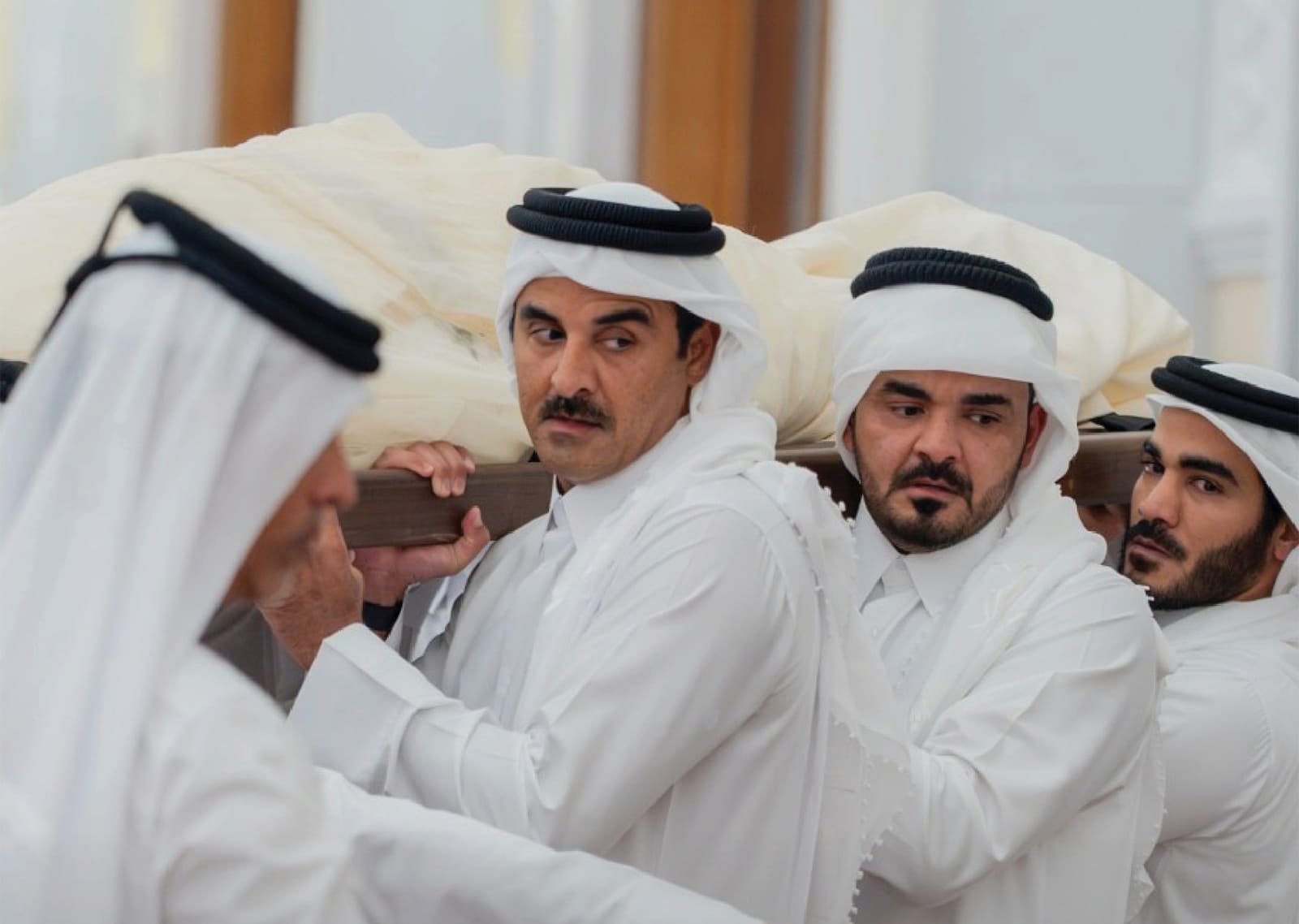
You paved the way for Qatar’s glory and dignity, and guided us to the bright future we now enjoy. You will forever remain in our hearts, a guiding light always leading us to goodness and righteousness.
Her Excellency Sheikha Hind bint Hamad Al Thani, Daughter; Vice Chairperson and CEO of Qatar Foundation.
May you rest in eternal peace, my father.
O God, forgive my father, have mercy on him, pardon him, grant him well-being, and reward him on our behalf, on behalf of Qatar, and on behalf of the Muslim Ummah with the best of rewards. Reunite us with him in Your abode of mercy.
Her Excellency Sheikha Al Mayassa bint Hamad Al Thani, Daughter; Chairperson of Qatar Museums and founder/chairperson of the Doha Film Institute.
Let the measure be Qatar, first and last.