


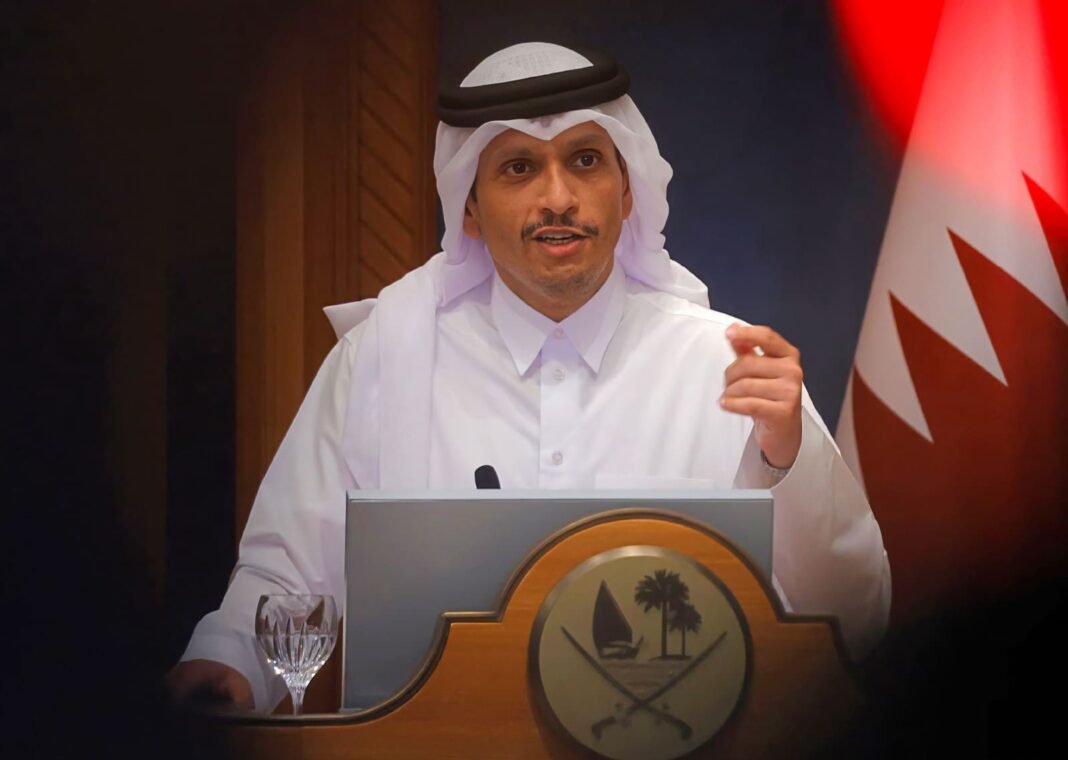

Over the past two weeks, the Middle East has once again found itself at the centre of global attention as tensions between Iran, the United States, and Israel intensified. While the geopolitical spotlight often focuses on the primary actors, countries across the Gulf, including Qatar, have been closely monitoring the evolving situation, carefully balancing diplomacy, security, and regional stability.
For Qatar, a nation that has consistently positioned itself as a diplomatic bridge in regional affairs, the latest developments have reinforced the importance of dialogue, restraint, and strategic neutrality.
A region on edge
The recent escalation in rhetoric and military positioning between Iran and Israel, coupled with the United States’ continued involvement in regional security, has created a climate of heightened uncertainty across the Gulf. Reports of military preparedness, warnings of potential retaliation, and renewed sanctions discussions have dominated international headlines.
For Gulf states, the implications are immediate. The region hosts critical energy infrastructure, global trade routes, and several major U.S. military bases , all of which could be affected should tensions escalate further.
Qatar, home to the strategically significant Al Udeid Air Base, remains an important partner in regional security frameworks. Yet despite its security ties with the United States, Doha has continued to emphasize diplomacy and de-escalation as the preferred path forward.
Diplomacy as strategy
Qatar’s foreign policy over the past decade has often been characterized by its ability to maintain relationships across competing geopolitical blocs. In moments of crisis, this positioning allows the country to serve as a mediator or facilitator of dialogue.
Over the past two weeks, Qatari officials have reiterated the importance of diplomatic engagement and regional stability. Statements from Doha have emphasized restraint, the avoidance of military escalation, and the need for international cooperation to prevent wider conflict.
This approach reflects Qatar’s broader strategy: maintaining security partnerships while simultaneously advocating for diplomatic solutions in volatile regional disputes.
Regional stability and domestic calm
Within Qatar itself, the atmosphere has remained calm and steady. Government institutions continue to monitor developments closely, while the country’s economic and social sectors operate as usual.
For residents and businesses, the message has been one of reassurance. Qatar’s strong infrastructure, stable governance, and diversified economy provide resilience against external shocks. While regional tensions naturally raise concerns across the Gulf, there has been no indication of immediate disruption to daily life within the country.
This sense of stability is not accidental. Over the past decade, Qatar has invested heavily in economic diversification, security cooperation, and crisis preparedness, measures that help insulate the nation from geopolitical turbulence.
The role of small states in big conflicts
Moments like these also highlight an important truth about modern geopolitics: smaller states often play outsized roles in diplomacy. Qatar’s ability to maintain open channels with multiple international actors positions it uniquely in times of crisis.
As global powers debate strategies and alliances shift, the value of mediators, countries willing to host dialogue, facilitate negotiations, and encourage restraint, becomes increasingly clear.
Looking ahead with cautious optimism
While uncertainty continues to shape the geopolitical landscape, history has shown that diplomacy often prevails even in the tensest circumstances. The Gulf region has repeatedly demonstrated resilience in the face of challenges, and nations like Qatar continue to advocate for stability, cooperation, and peaceful dialogue.
For residents, businesses, and communities across the country, the path forward lies in remaining informed yet hopeful. Qatar’s commitment to diplomacy, its strong institutions, and its role as a bridge between cultures and nations offer reassurance during uncertain times.
In a region where tensions can rise quickly, the quiet work of dialogue, understanding, and cooperation continues behind the scenes. And it is often through these efforts that lasting peace and stability take shape.
As the world watches the unfolding developments, one thing remains certain: hope, resilience, and diplomacy still have the power to shape a more stable future for the region.